


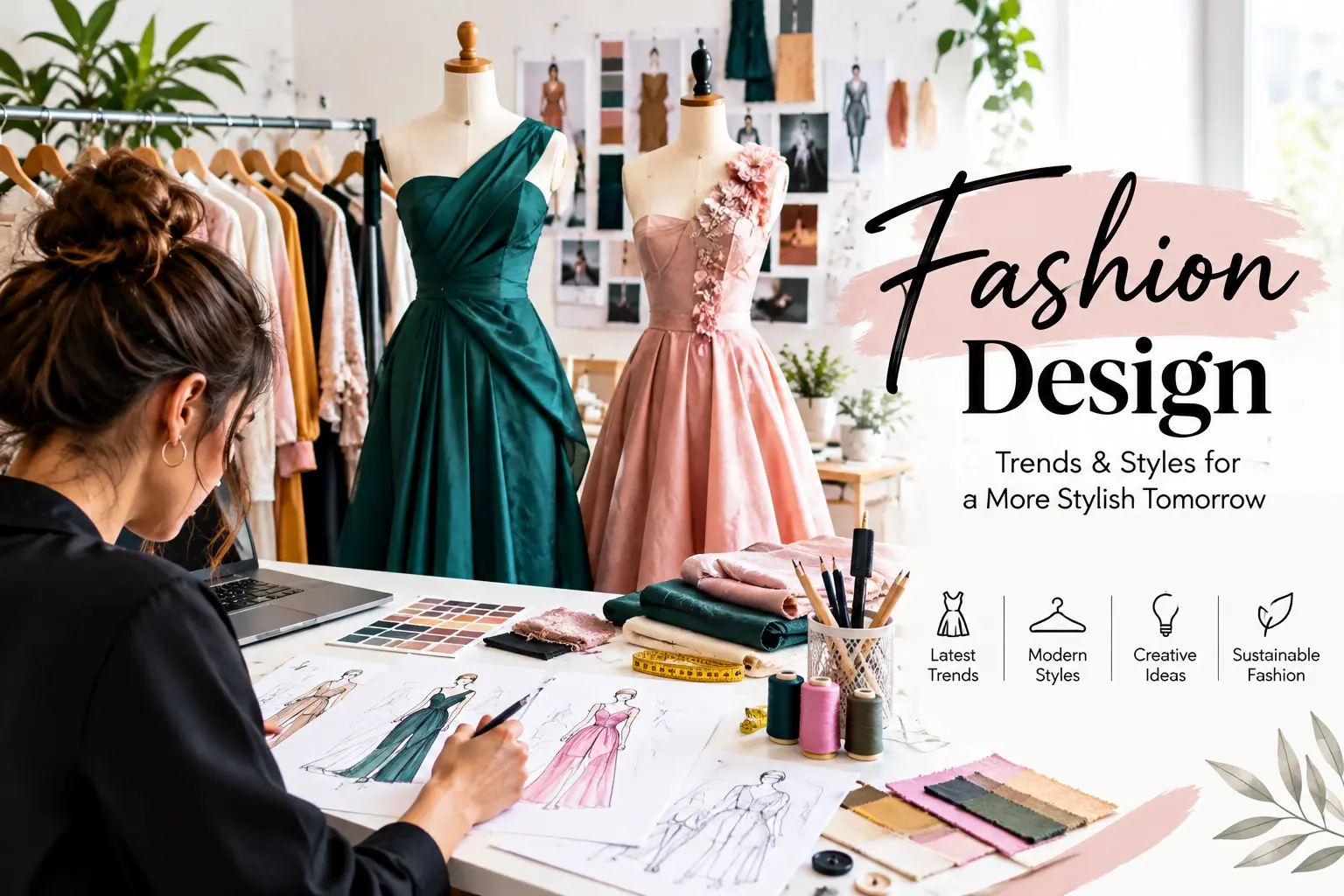
Fashion is more than choosing what to wear. It is a form of creativity, culture, and personal expression. Fashion designs help people communicate their personality through colors, fabrics, patterns, shapes, and clothing styles.
Today, fashion changes quickly. New trends appear on runways, social media, online stores, and street-style communities. At the same time, many people prefer timeless clothing that they can wear for years.
Understanding fashion design can help you make better choices. It can also inspire you to create outfits that match your lifestyle, body shape, comfort, and personal taste.
What Are Fashion Designs?
Fashion designs are creative ideas used to develop clothing, accessories, and complete looks. A fashion designer considers several elements before creating a garment.
These elements include:
- Fabric
- Color
- Shape
- Texture
- Pattern
- Fit
- Function
- Seasonal needs
- Personal style
A successful design balances appearance and comfort. A beautiful outfit should also work well for the person wearing it.
Fashion designs can range from simple everyday clothing to detailed formal wear. They can also include traditional clothing, streetwear, sportswear, business outfits, and luxury fashion.
Why Fashion Designs Matters
Fashion design influences the way people present themselves. Clothing can affect confidence and create a strong first impression.
Good design also considers practical needs. For example, workwear should allow easy movement. Sportswear should support physical activity. Winter clothing should provide warmth.
Fashion designers combine creativity with these practical requirements.
Modern designers also consider environmental and social factors. Many brands now explore recycled materials, responsible production, and longer-lasting garments.
Popular Types of Fashion Designs
Fashion includes many categories. Each category serves a different purpose and audience.
1. Casual Fashion Designs
Casual clothing focuses on comfort and everyday use. T-shirts, jeans, sweaters, sneakers, casual dresses, and relaxed jackets are common examples.
Many Americans prefer casual styles because they fit busy lifestyles. Simple pieces can also create many different outfits.
Neutral colors make casual wardrobes easy to mix and match.
2. Formal Fashion Designs
Formal fashion focuses on polished and sophisticated looks. Suits, evening dresses, tailored coats, formal shirts, and elegant accessories often fall into this category.
People commonly choose formal designs for weddings, business events, celebrations, and special occasions.
The right fit is especially important for formal clothing.
3. Streetwear Fashion Designs
Streetwear has become an important part of contemporary fashion. It often combines comfort with bold visual elements.
Popular streetwear pieces include:
- Oversized shirts
- Hoodies
- Cargo pants
- Sneakers
- Graphic T-shirts
- Baseball caps
- Casual jackets
Streetwear often draws inspiration from music, sports, art, and youth culture.
4. Sportswear Fashion Designs
Sportswear is designed for movement and physical activity. Breathable fabrics, flexible construction, and comfortable fits are important features.
Modern sportswear has also become part of everyday fashion. People often wear sneakers, leggings, athletic jackets, and performance tops outside the gym.
This trend has helped create the popular athleisure category.
Fashion Designs for Women
Women’s fashion offers a wide range of creative choices. Designers work with different silhouettes, fabrics, patterns, and lengths.
Popular clothing designs include dresses, skirts, blouses, trousers, coats, jumpsuits, and tailored suits.
Modern Dress Fashion Designs
Dresses remain a major part of women’s fashion. Designers create dresses for different occasions and seasons.
For example, a simple cotton dress can work well for a casual summer day. A tailored midi dress can suit a professional environment. An evening gown can create a more formal appearance.
The best choice depends on the occasion, comfort, and personal style.
Layered Outfits of fashion design
Layering adds flexibility to an outfit. A basic top can look different when paired with a blazer, cardigan, denim jacket, or long coat.
Layering also helps people adapt their clothing to changing weather.
Fashion Designs for Men
Men’s fashion has expanded beyond traditional suits and basic shirts. Modern clothing designs include relaxed tailoring, smart casual outfits, streetwear, activewear, and classic wardrobe pieces.
A versatile men’s wardrobe may include:
- Well-fitted jeans
- Chinos
- Oxford shirts
- T-shirts
- Blazers
- Lightweight jackets
- Sneakers
- Dress shoes
The goal does not need to be complicated. A small collection of well-designed pieces can create many outfits.
The Role of Colors in Fashion design
Color plays an important role in fashion design. Designers use color to create visual interest and establish a mood.
Neutral colors such as black, white, gray, beige, and navy are easy to combine. Brighter colors can add energy to an outfit.
Color choices can also change with the seasons. Soft and bright shades often appear in spring and summer collections. Deeper tones are common in fall and winter fashion.
However, personal preference should remain important. Fashion trends can provide inspiration, but they do not need to control every clothing choice.
The Importance of Fabric
Fabric affects the appearance, comfort, durability, and function of clothing.
Cotton is popular because it feels comfortable and works well for many everyday garments. Linen is known for its lightweight feel and is often used during warm weather.
Wool provides warmth and works well for colder seasons. Denim offers durability and remains a popular choice for casual clothing.
Synthetic fabrics can provide stretch, moisture management, and durability. Designers often combine different materials to achieve specific performance and appearance goals.
Understanding fabric can help consumers make smarter fashion choices.
Current Fashion Trends
Fashion trends change regularly. Some trends remain popular for only a short period, while others become long-term styles.
Several ideas continue to influence modern fashion.
Minimalist Fashion
Minimalist fashion focuses on simplicity. Clean shapes, neutral colors, and versatile clothing are common features.
This approach can make dressing easier because individual pieces work well together.
Oversized Clothing
Relaxed and oversized clothing has become popular in modern fashion. Loose shirts, wide-leg trousers, oversized jackets, and relaxed sweaters can create a comfortable look.
The key is balance. Pairing a loose item with a more structured piece can create a polished outfit.
Sustainable Fashion
Sustainable fashion focuses on reducing unnecessary waste and encouraging responsible choices.
Consumers can support this approach by buying quality clothing, repairing garments, choosing secondhand options, and avoiding unnecessary purchases.
Some fashion companies also use recycled or lower-impact materials.
Sustainability is becoming an important consideration for people who want fashion to align with responsible consumption.
How to Choose the Right Fashion Style
Choosing a personal style does not require following every trend.
Start by considering your daily routine. Someone who works in an office may need different clothing from someone who works outdoors or from home.
Next, consider comfort. Clothing should allow natural movement and feel appropriate for the occasion.
Color preference also matters. Choose colors that you enjoy wearing and that work well with the rest of your wardrobe.
Finally, focus on fit. Even a simple outfit can look polished when the clothing fits properly.
How to Create Better Outfit Combinations
Building an outfit becomes easier when you understand basic styling principles.
Start with one main piece. This could be a patterned shirt, statement jacket, colorful dress, or distinctive pair of shoes.
Then add simple pieces that support the main item.
For example, a bold jacket can work with neutral trousers and a plain shirt. A patterned dress may need only simple shoes and accessories.
This approach prevents an outfit from looking visually crowded.
Fashion Accessories and Their Role
Accessories can transform a simple outfit. Bags, watches, belts, scarves, jewelry, sunglasses, and shoes can add personality.
Accessories should complement the clothing rather than compete with it.
For a simple outfit, one noticeable accessory can create a focal point. For a detailed outfit, minimal accessories may create a cleaner appearance.
Fashion and Personal Expression
One of the most valuable aspects of fashion is personal expression.
Two people can wear similar clothing but create completely different looks through their choice of colors, accessories, hairstyles, and footwear.
Personal style can also change over time. Age, lifestyle, career, interests, and cultural influences can affect clothing preferences.
There is no single correct fashion style. The best style is one that makes you feel comfortable and confident.
How Fashion Designers Create New Designs
Creating clothing involves more than drawing an attractive outfit.
Designers often begin with research. They study customer needs, cultural influences, materials, colors, and market trends.
They may then create sketches and choose fabrics. After that, designers develop patterns and samples.
The sample allows them to evaluate the fit and appearance. They can adjust the design before production.
This process combines creativity, technical knowledge, and attention to detail.
Fashion Design Ideas for a Modern Wardrobe
A modern wardrobe does not need hundreds of pieces. A carefully selected collection can offer more flexibility.
Consider building your wardrobe around versatile items.
For example:
- A classic white shirt
- Dark jeans
- Neutral trousers
- A versatile blazer
- Comfortable sneakers
- A simple dress
- A lightweight jacket
- A quality sweater
You can combine these pieces with seasonal items and accessories.
This approach can save time and reduce unnecessary purchases.
The Future of Fashion Designs
Technology continues to influence fashion. Digital design tools allow designers to create and modify concepts faster.
Artificial intelligence, virtual sampling, 3D design, and digital clothing experiences may also influence the industry.
At the same time, consumers continue to value comfort, individuality, quality, and responsible production.
Future fashion designs will likely combine technology with human creativity. Designers will continue to explore new materials, shapes, and production methods.
Final Thoughts about Fashion design
Fashion designs bring together creativity, function, culture, and personal expression. From casual clothing and streetwear to formal outfits and sustainable fashion, there are countless ways to develop a personal style.
You do not need to follow every trend. Instead, focus on clothing that fits your lifestyle, feels comfortable, and reflects your personality.
Understanding fabrics, colors, silhouettes, and styling can help you make better fashion decisions. Whether you are building a new wardrobe or exploring fashion design as a creative field, the most important goal is to find a style that feels authentic to you.
Suggested Semantic Keyword Cluster
Primary topic:
Fashion designs
Related/semantic keywords:
fashion design, clothing design, modern fashion, fashion trends, clothing styles, contemporary fashion, fashion designers, outfit ideas, women’s fashion, men’s fashion, casual fashion, formal fashion, streetwear, sustainable fashion, fashion accessories, fashion industry, fabric selection, fashion styling, personal style, wardrobe ideas, seasonal fashion, modern clothing designs.
